High Performance Cells & Batteries
Tailor-made solutions - Power, Safety and Reliability
CIPEM develops and supplies customized cells and batteries for the industrial, IoT, medical, security, transport, connected devices and professional equipment sectors.
Primary and Rechargeable Batteries
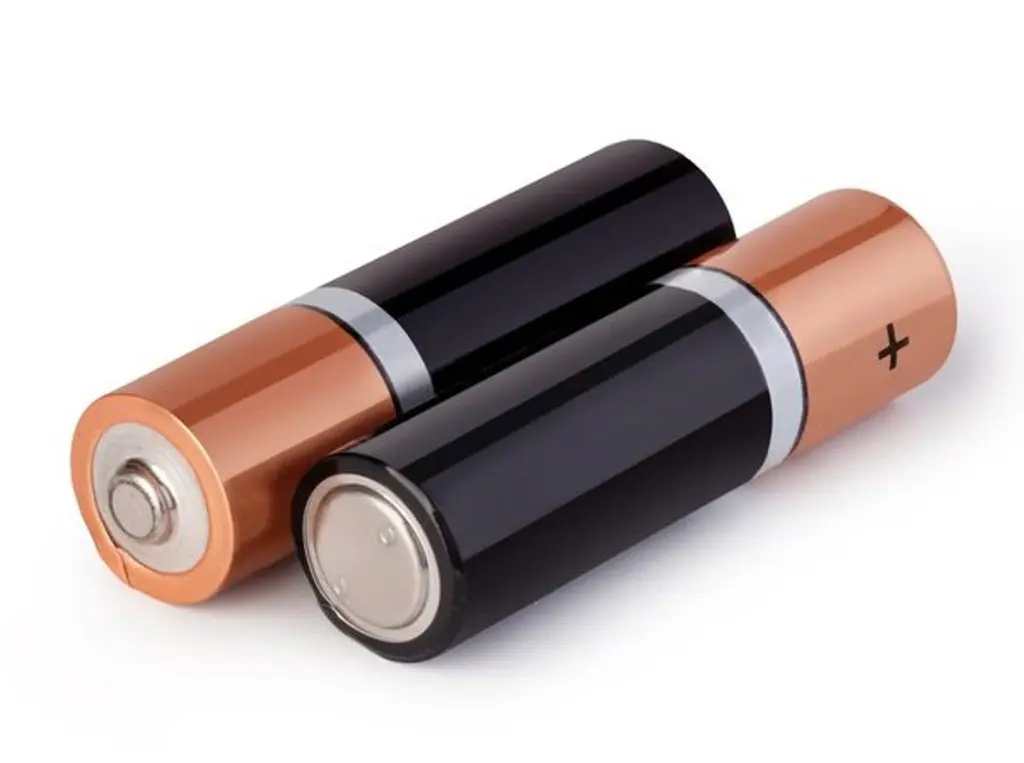
Single-use batteries (also known as primary batteries) are the same as disposable batteries, which are designed not to be recharged. Common primary battery types include alkaline, carbon zinc, lithium, silver oxide, and zinc-air batteries. Rechargeable batteries (also known as secondary batteries) can be recharged and reused from 500 to 1000 times. Common rechargeable battery types include nickel metal hydride (NiMH), nickel-cadmium (NiCd), lithium-ion (Li-ion), and Lithium polymer batteries.
We offer solutions from 50 mAh to 20,000 mAh, with:
- Rigid or flexible enclosures
- Battery pack with PCM/BMS (protection)
- Custom connectors (Molex, JST, Harwin, etc.)
- Customized wires, sheets, lengths
- Single or multi-cell assembly
Our role: to design the best solution for your use, optimizing performance, safety, service life, and cost.
Primary Batteries & Rechargeable Batteries
CIPEM provides two families of technologies according to the needs of autonomy and maintenance:
Primary batteries
Disposable solutions for devices requiring long autonomy without recharging.
Applications: remote controls, long-life sensors, autonomous devices.
Various formats and voltages depending on the project.
Primary batteries - Our capabilities: The most common chemistries we provide: Alkaline, Carbon-zinc, Lithium / long battery life, Silver oxide, Zinc-air (low discharge, high density)
Rechargeable batteries
Designed for applications requiring repeated charge cycles, typically >500 cycles
Available chemistries:
Ni-MH
Ni-Cd
Lithium-ion (Li-ion)
Lithium-polymer (Li-Po)
CIPEM supports you in the choice according to your needs: voltage, capacities, environment of use, mechanical constraints and certifications.
Types of rechargeable batteries
Li-ion
Rechargeable battery offering an excellent compromise between energy density, service life and stability.
Ideal for: IoT sensors, portable devices, industrial equipment, electronic tools.
Advantages:
High energy density
Good thermal stability
Wide choice of formats (cylindrical, pouch, prismatic)
Li-Po
Lighter and more flexible version of Li-ion, using a solid polymer electrolyte.
Particularly suitable for compact products or custom designs.
Advantages:
Customizable shapes and thicknesses
Very high energy density
Excellent performance in thin and light devices
Lead Acid
Robust and economical battery for applications requiring a lot of instant power.
Examples: UPS systems, embedded devices, industrial equipment.br>
Features:
Very high discharge capacity
Reduced cost
Long service life
Heavier and less dense than lithium technologies
Ni-MH
Reliable, economical rechargeable technology with no marked memory effect.
Suitable for products requiring many charge/discharge cycles.
Advantages:
Greener alternative to Ni-Cd
Higher energy density than nickel-cadmium
Wide availability of standard formats
Download the sheet to discover:
Available formats
Custom development capabilities
Connectivity options, protections, tests and certifications (UN38.3, IEC, etc.)
CIPEM supports you throughout the chain: design, validation, industrialization and series production.